Wheel loaders are widely used in construction, mining, and material handling. Prolonged, high-intensity operation can increase wear and tear on equipment components, affecting operational efficiency. Performing daily inspections, lubrication, and regular maintenance helps extend the equipment’s service life, reduce downtime due to breakdowns, and ensure operational safety.
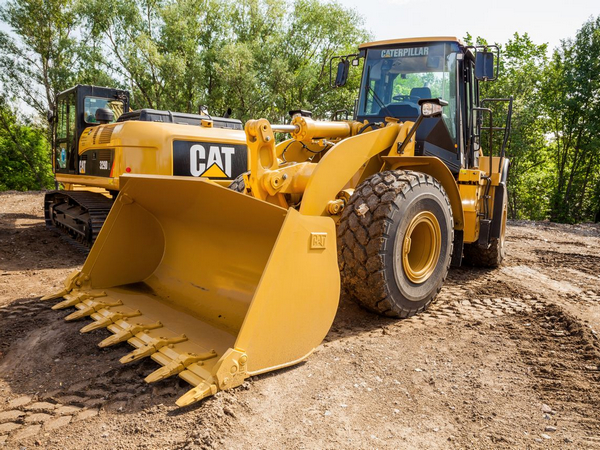
I. Regular Inspection of Key Components
Daily inspections help identify equipment abnormalities promptly, preventing minor issues from escalating into serious malfunctions. Focus on inspecting the following areas:
· Hydraulic System: Check hydraulic lines, fittings, and cylinders for leaks, damage, or abnormal wear.
· Engine: Monitor the engine’s operating condition and check for unusual noises, overheating, or abnormal fluid consumption.
· Electrical System: Verify that lights, sensors, gauges, and control devices are functioning properly.
II. Proper Lubrication and Maintenance
Lubrication reduces friction between components and minimizes wear. In accordance with equipment maintenance requirements, regularly apply appropriate grease to bearings, pins, hinge points, and moving joints.
Additionally, establish a lubrication schedule based on the equipment’s operating hours and select lubricants that meet the manufacturer’s specifications to prevent reduced component lifespan due to insufficient lubrication or the use of unsuitable lubricants.
III. Replace Filters and Fluids Promptly
Engine oil, hydraulic fluid, coolant, and transmission fluid are critical to the equipment’s normal operation. Regularly check the condition and levels of these fluids, and replace them along with their respective filters according to the maintenance schedule.
Pay close attention to the cleanliness of hydraulic filters, fuel filters, and air filters to prevent contaminants from entering the system and affecting the performance of the engine and hydraulic system.
IV. Inspect Tire Condition
Tires directly affect the wheel loader’s driving stability and operational safety. Routinely inspect tires for abnormal wear, cuts, cracks, or other damage, and maintain proper tire pressure according to the manufacturer’s specifications.
If uneven tire wear or severe damage is detected, promptly investigate the cause and address the issue; replace the tires if necessary.
V. Keep the Equipment Clean
Dust, dirt, and debris from the construction site can easily accumulate on the equipment’s surface and critical components. Regularly clean the radiator, air filter, and other areas prone to debris buildup to ensure that heat dissipation and air intake channels remain unobstructed.
At the same time, promptly remove dirt from the body, chassis, and moving parts, and check for fluid leaks or damaged components.
VI. Enhance Hydraulic System Maintenance
The hydraulic system is a critical component that enables the wheel loader to perform lifting, steering, and loading operations. During maintenance, check the hydraulic fluid level, as well as the condition of the hydraulic hoses and fittings, and address any leaks or damage promptly.
If slow response, abnormal pressure, or unusual noise occurs during operation, shut down the machine immediately for inspection to prevent the problem from worsening.
VII. Establish Equipment Maintenance Records
Maintaining comprehensive maintenance records helps track the equipment’s operational status and maintenance history. Records should include the inspection date, operating hours, maintenance items, replaced parts, and the resolution of any abnormalities.
By consistently monitoring maintenance records, you can effectively plan future maintenance schedules and reduce the likelihood of unexpected breakdowns.
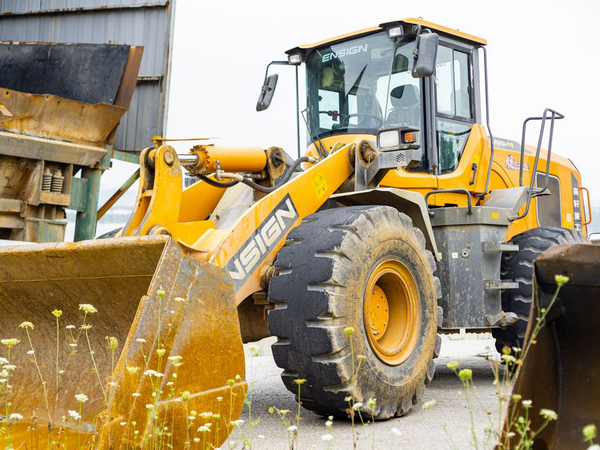
The stable operation of a wheel loader depends on standardized daily maintenance. Regularly inspecting key components, promptly replacing fluids and filters, performing proper lubrication and cleaning, and maintaining comprehensive maintenance records all help reduce equipment failure rates, extend service life, and improve operational efficiency.

CRUKING 2023 Christmas & New Year's Party

CRUKING Visited International XIAMEN Stone Fair

CRUKING Luoyang Historical Outing

CRUKING Visited the XGMA factory

CRUKING Visited the JINGONG Plant

CRUKING Outing

CRUKING | KATOSCE HD27 Mini Excavator

CRUKING Mount Wuyi Outing

CRUKING | KATOSCE 18VX Mini Excavator
CRUKING | HANGCHA CPC35 Diesel Forklift

CRUKING's 2024 Halloween Theme Party
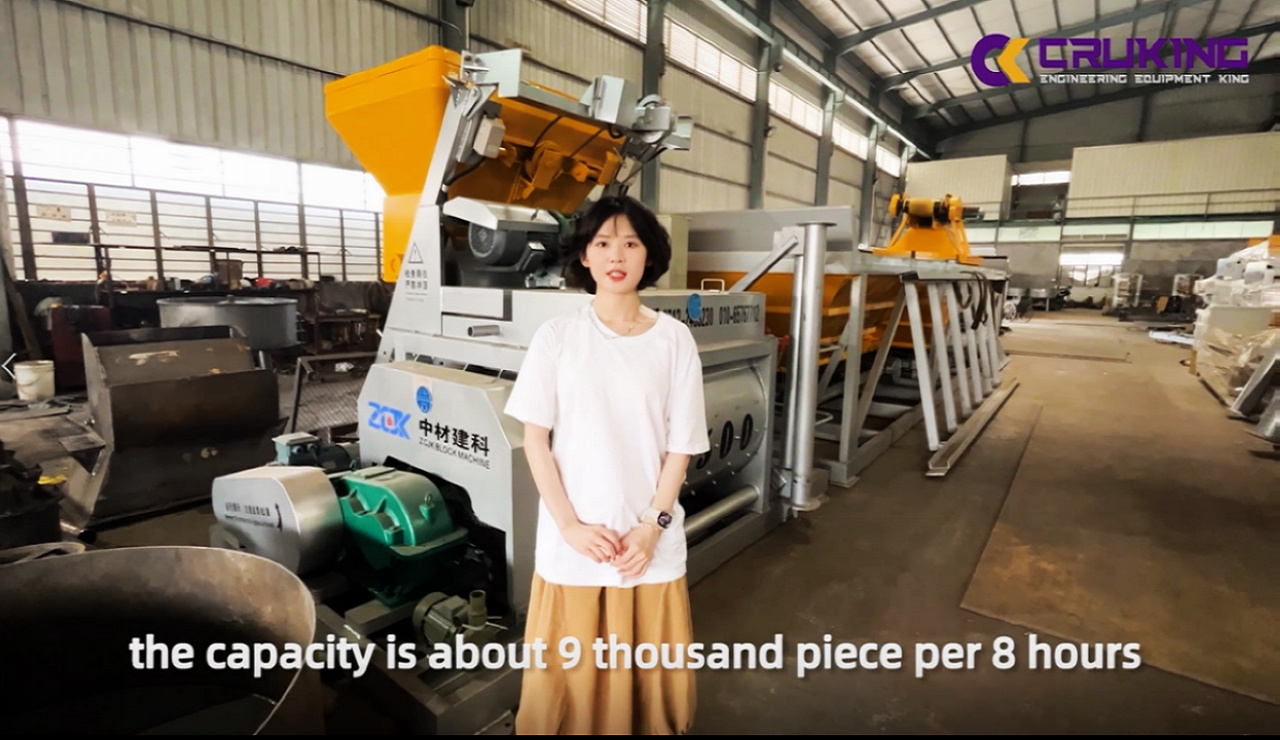
CRUKING | ZCJK QTY4 25 Brick Forming Machine

CRUKING Christmas Party in 2020

CRUKING | LIUGONG CLG877H Wheel Loader

CRUKING | LOVOL FL956H Wheel Loader

CRUKING | LIUGONG CLG848H Wheel Loader

CRUKING | SANY SY500H Excavator

CRUKING | SHANTUI SD22 Bulldozer

CRUKING | HBXG SD7K Bulldozer
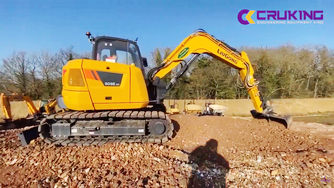
CRUKING | LIUGONG CLG909E Excavator

CRUKING | ZOOMLION ZE360E Excavator

CRUKING | JINGONG JGM791FT50KN Forklift Loader

CRUKING | SANY SAC2200 All Terrain Crane

CRUKING | LOVOL Excavator FR480E

CRUKING | XCMG XE215C Excavator

CRUKING | XGMA XG8065F Excavator

CRUKING | SHANTUI SD16 Bulldozer

CRUKING | SANY SY365H Excavator

CRUKING | XGMA XG956N Wheel Loader

CRUKING | XCMG GR3505 Motor Grader

CRUKING | JINGONG JGM757KN Wheel Loader

CRUKING | JINGONG JGM761FT20KV Forklift Loader

MGMA MGM980HL Mining Forklift Loader | Xiamen Stone Fair 2022

CRUKING Team Enjoys Touring Guilin
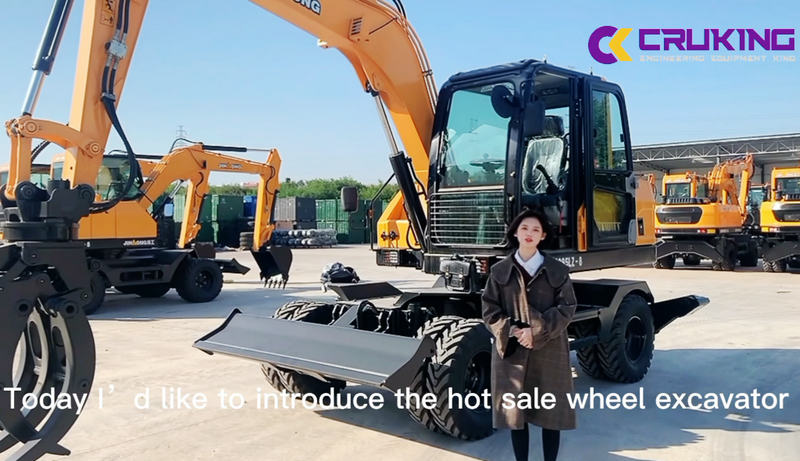
CRUKING | JINGONG JGM9085LNZ Wheel Excavator

CRUKING | XCMG Crawler Excavators Show

FUDA FDM8300 Forklift | Xiamen Stone Fair 2022

CRUKING LOVOL Wheel Loader FL968H

CRUKING | JINGGONG JG75S-9 Wheeled Excavator

CRUKING | JINGONG JGM9085LZ-8G Excavator
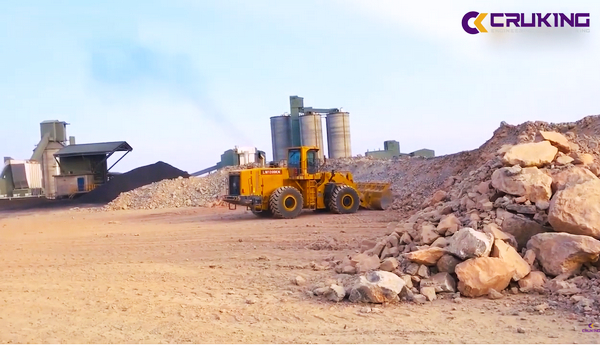
CRUKING | XCMG LW1200KN Wheel Loader
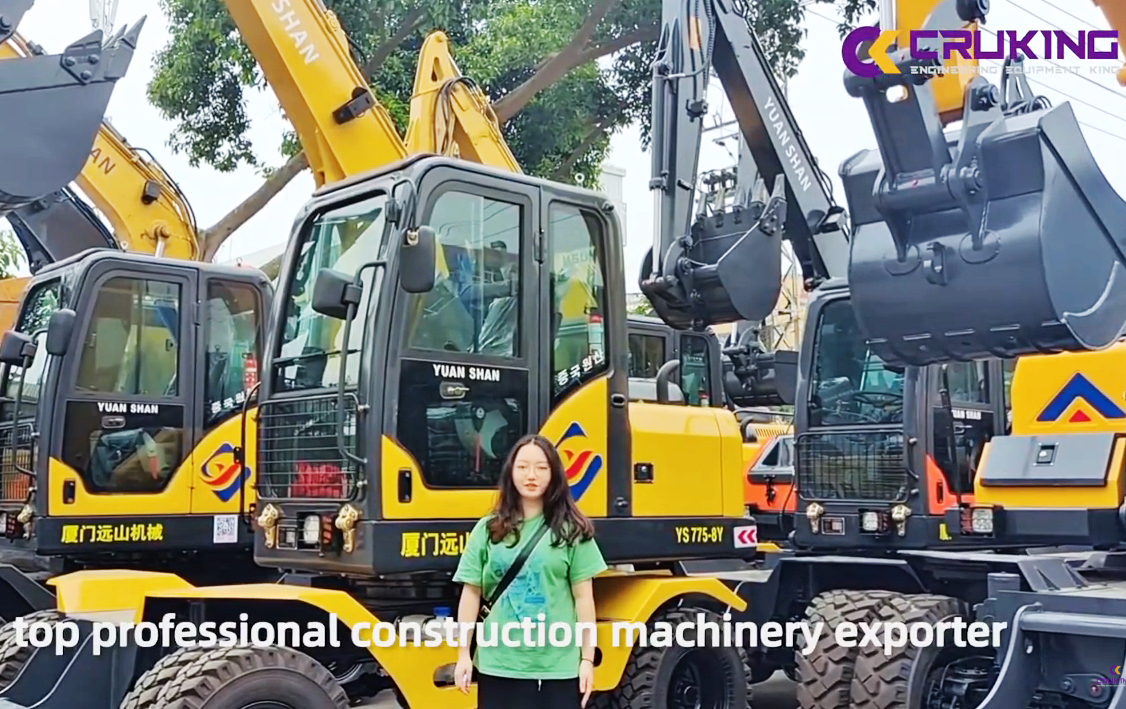
CRUKING | YUANSHAN YS775-8Y Wheeled Excavator

CRUKING | SOCMA HNF160 Heavy Forklift

CRUKING | HBXG SD8N Bulldozer

CRUKING | JINGONG JG9095LNZ Wheeled Excavator

CRUKING | JINGONG JGM737K Wheel Loader

CRUKING | SOCMA HNF300 Heavy Forklift

CRUKING | JINGONG JGM9075LN-9 Wheel Excavator

CRUKING | JINGGONG JG50S Wheeled Excavator

CRUKING | JINGONG JGM767 Wheel Loader

Make Logistics Easier: ZHONGLI EPT20-20ETH Walkie Pallet Truck

CRUKING | JINGGONG JG150S Wheeled Excavator

CRUKING | JINGGONG JG120S Wheeled Excavator

KOMATSU PC56-7 Excavator: The Perfect Combination of Power & Efficiency

CRUKING | JINGONG JGM9075L Wheel Excavator

Machinery Showcase: XCMG XE75WG Wheeled Excavator

CRUKING | SOCMA HNBZ8512 Heavy Forklift
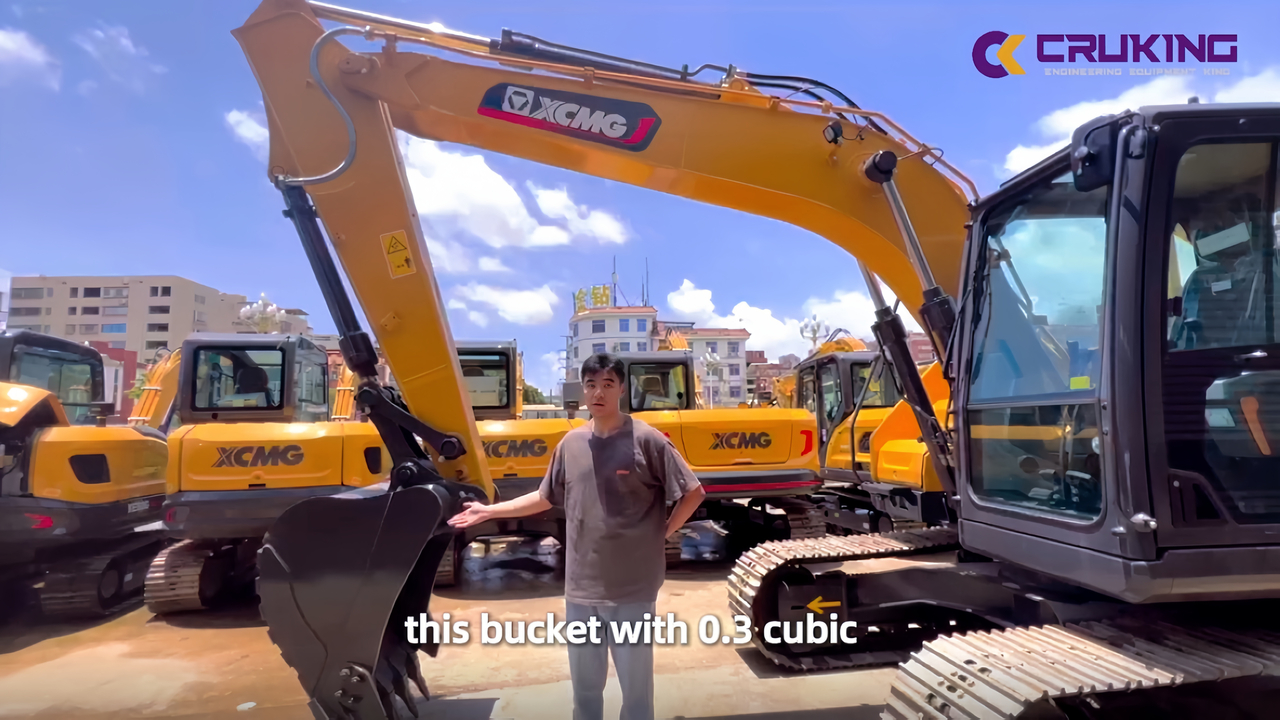
Efficient Construction Expert: XCMG XE135GA Excavator
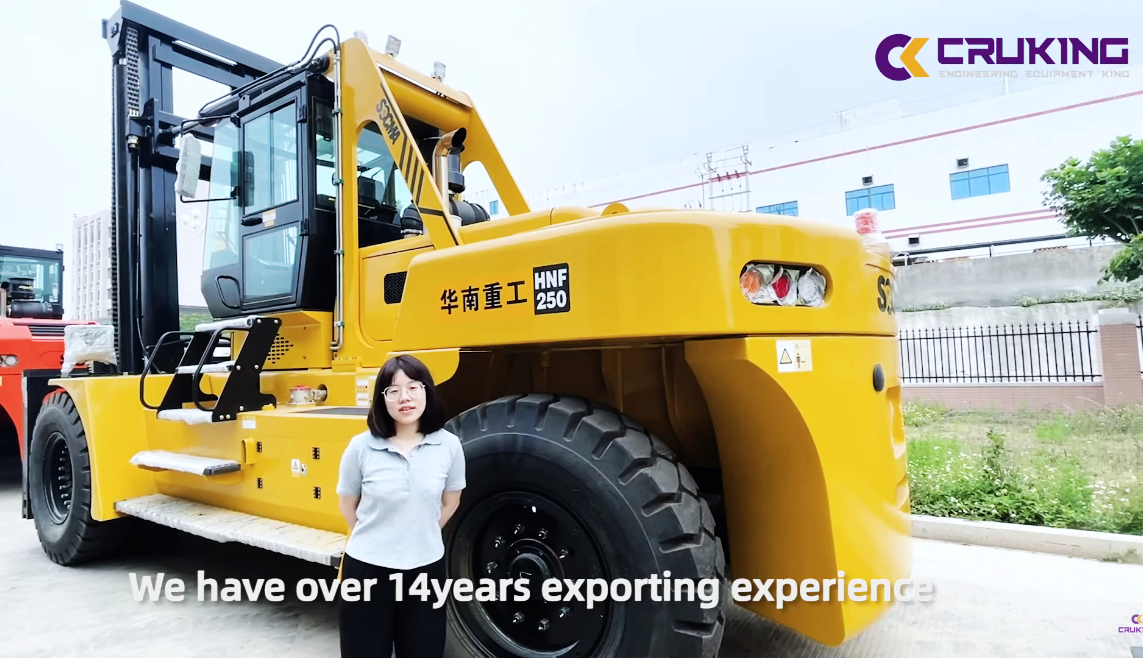
CRUKING | SOCMA HNF250 Heavy Forklift

LIUGONG 906F Excavator Diversified Configurations Introduction

Cost-Effective Mini Excavator: LIUGONG 9035F
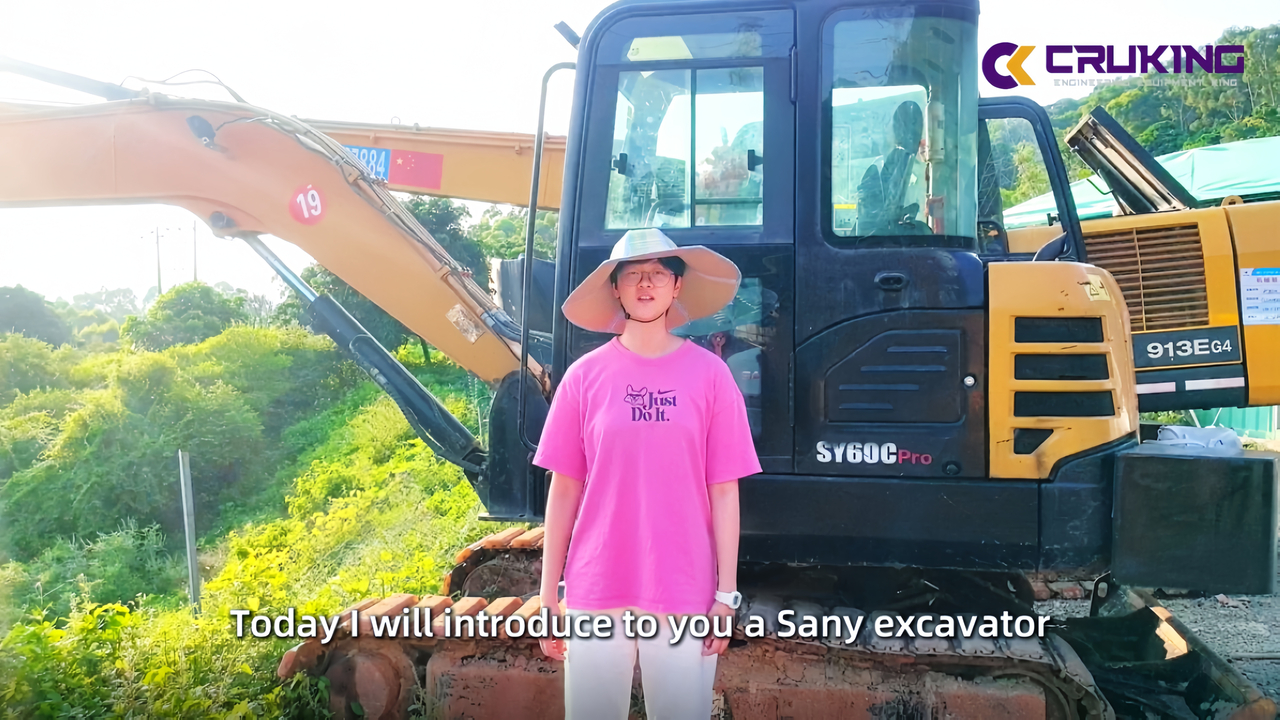
The Impressive Reach and Power of SANY SY60CPRO Excavator

XCMG XE60GA Excavator: Strength and Wisdom Go Hand in Hand

CRUKING | HELI CPCD25 Forklift
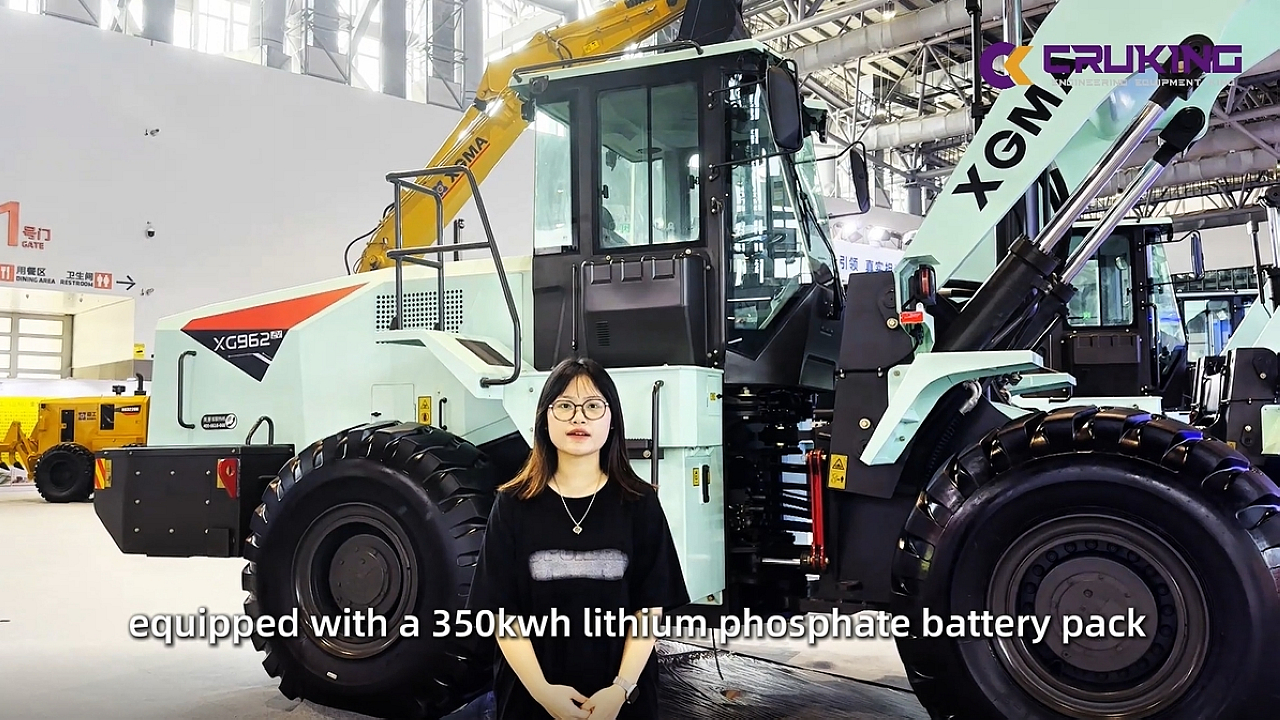
Elevating Construction Standards with XGMA Machinery

The Reliable Choice for Excavation Projects: XCMG XE200GH Excavator

Flexible Operation: XINYUAN B75ECO Wheeled Excavator

XCMG XE245GH Excavator Strength Showcase
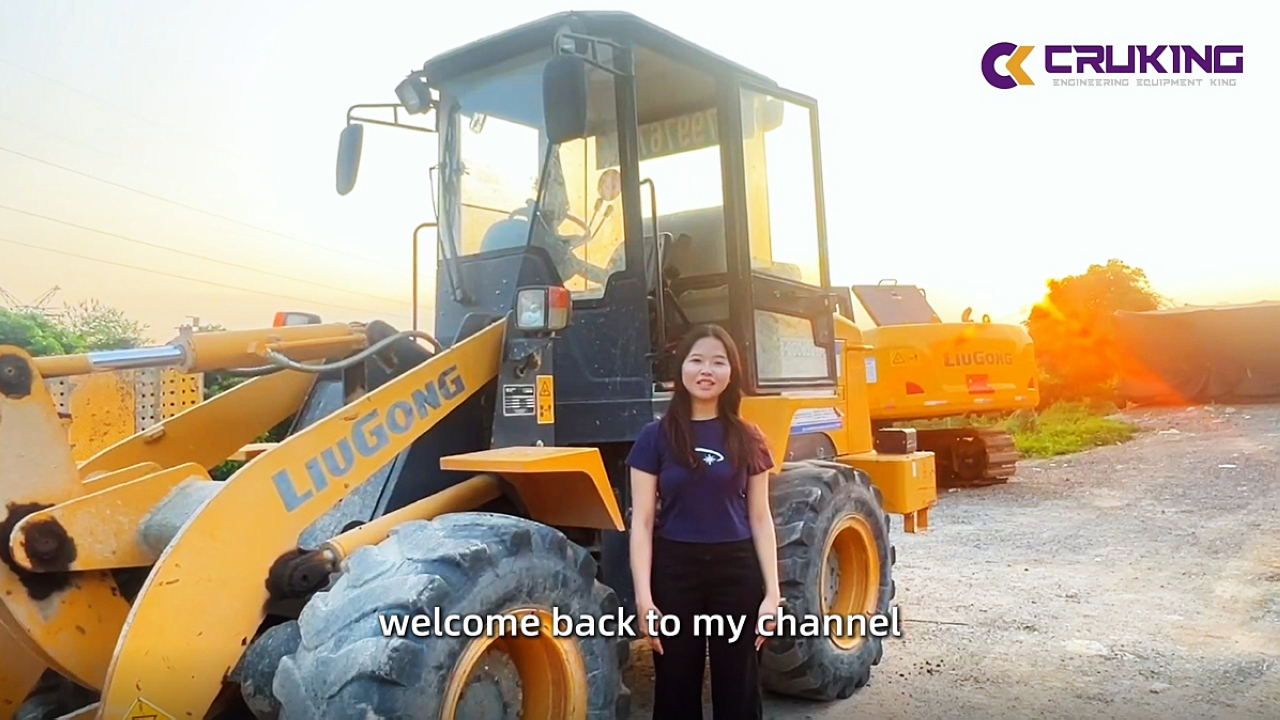
Discover the Advantage of LIUGONG CLG816C Wheel Loader
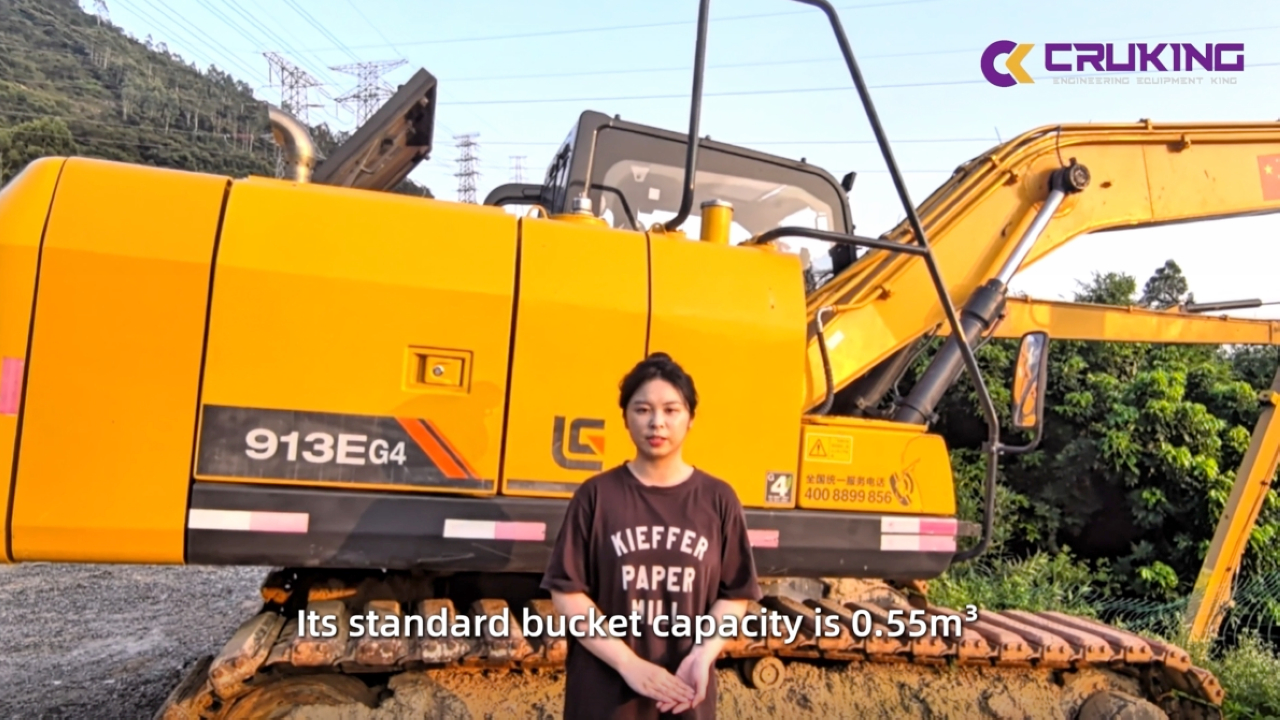
LIUGONG 913EG4 Excavator: Master of Earthmoving Tasks

A Closer Look at the SANY SYM5445THBES Concrete Pump Truck
A Comprehensive Guide to HOWO Tractor with XGMA Machinery

Unleashing Efficiency: EP Electric Forklift for Material Handling

Double the Efficiency of ZHONGLI Pallet Stacker

SOCMA HNF1202 Heavy-Duty Forklift Features & Benefits
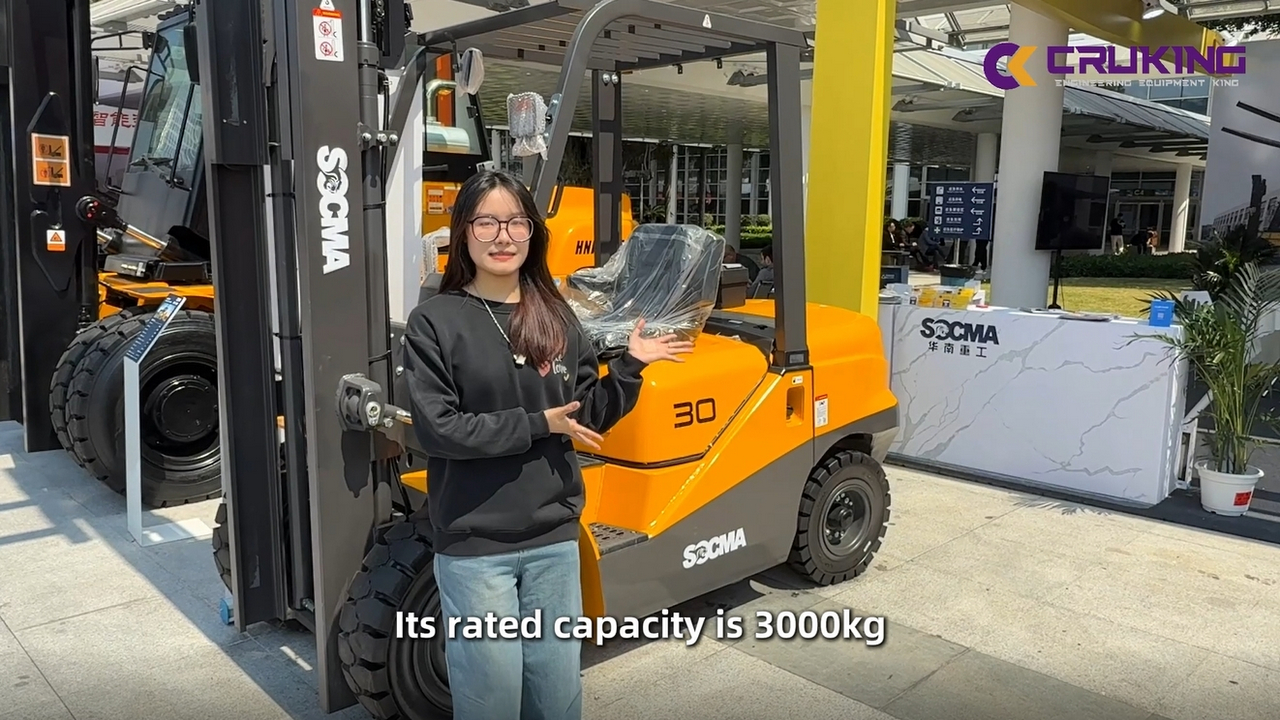
SOCMA HN30 Diesel Forklift Features & Benefits

More Efficient Cleaning: DONGFENG Garbage Truck
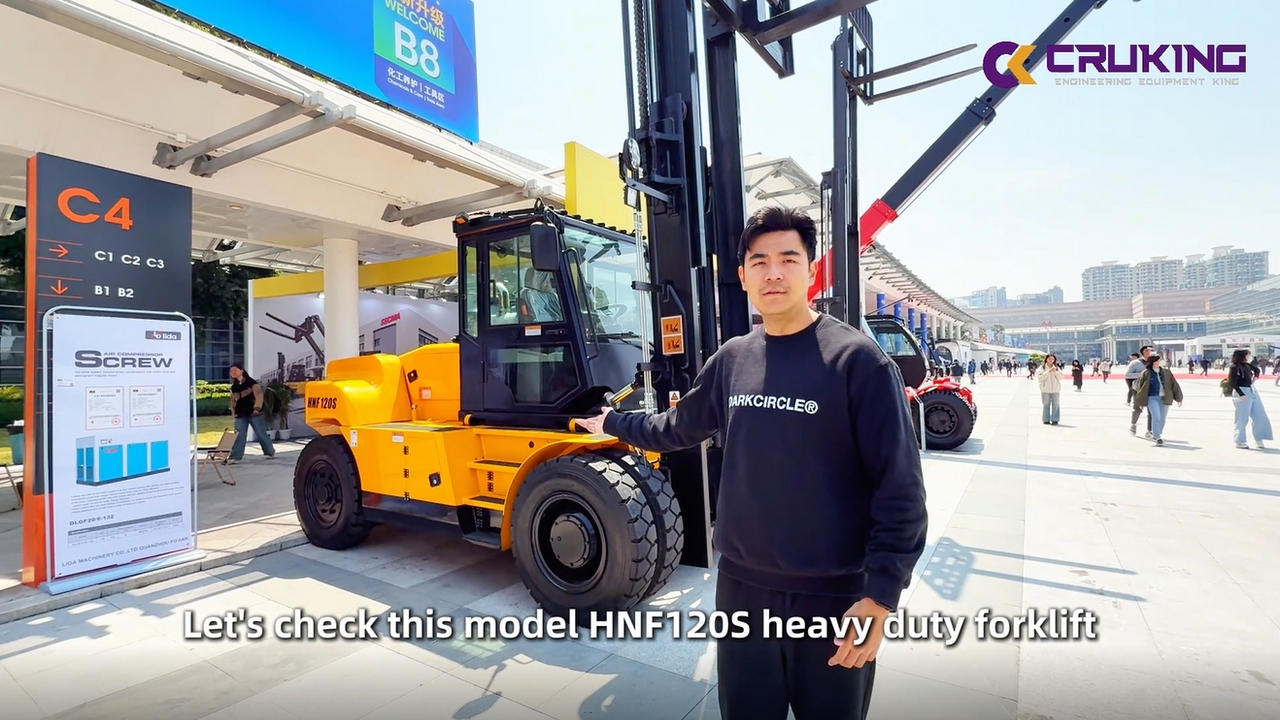
Boost Productivity with the SOCMA HNF1202 Heavy-Duty Forklift
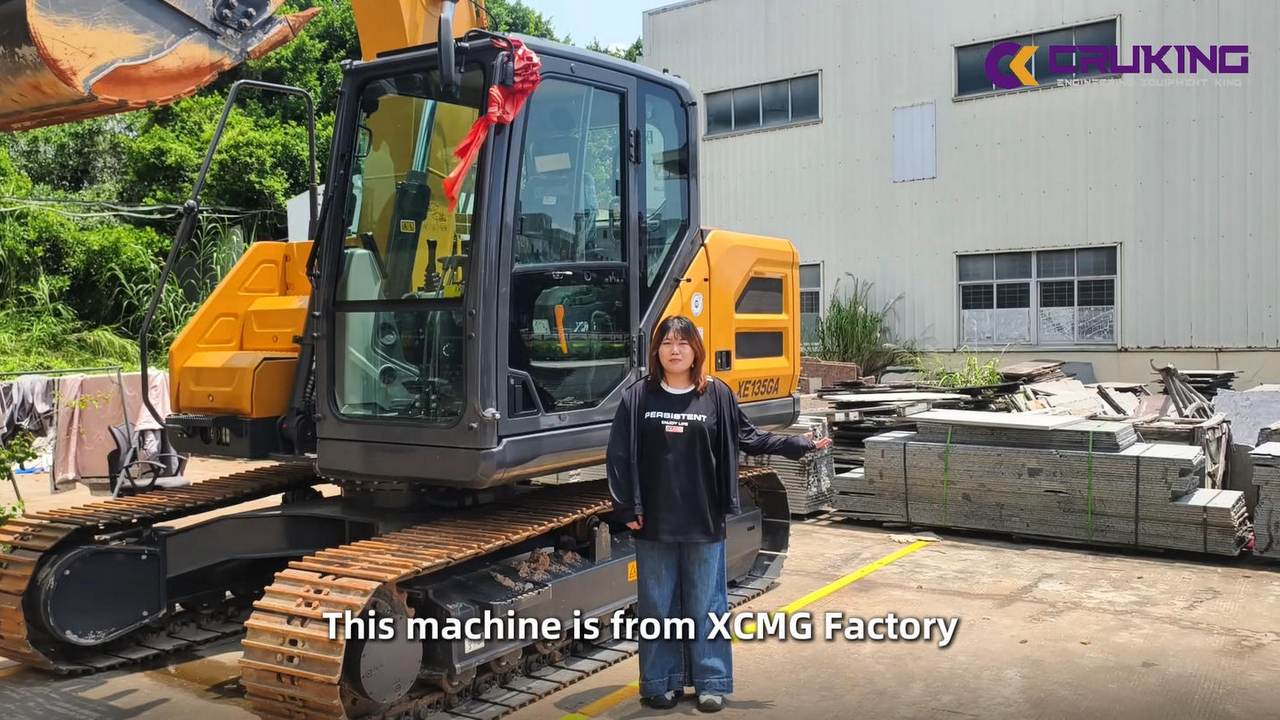
Work Smarter with XCMG XE135WA Excavator
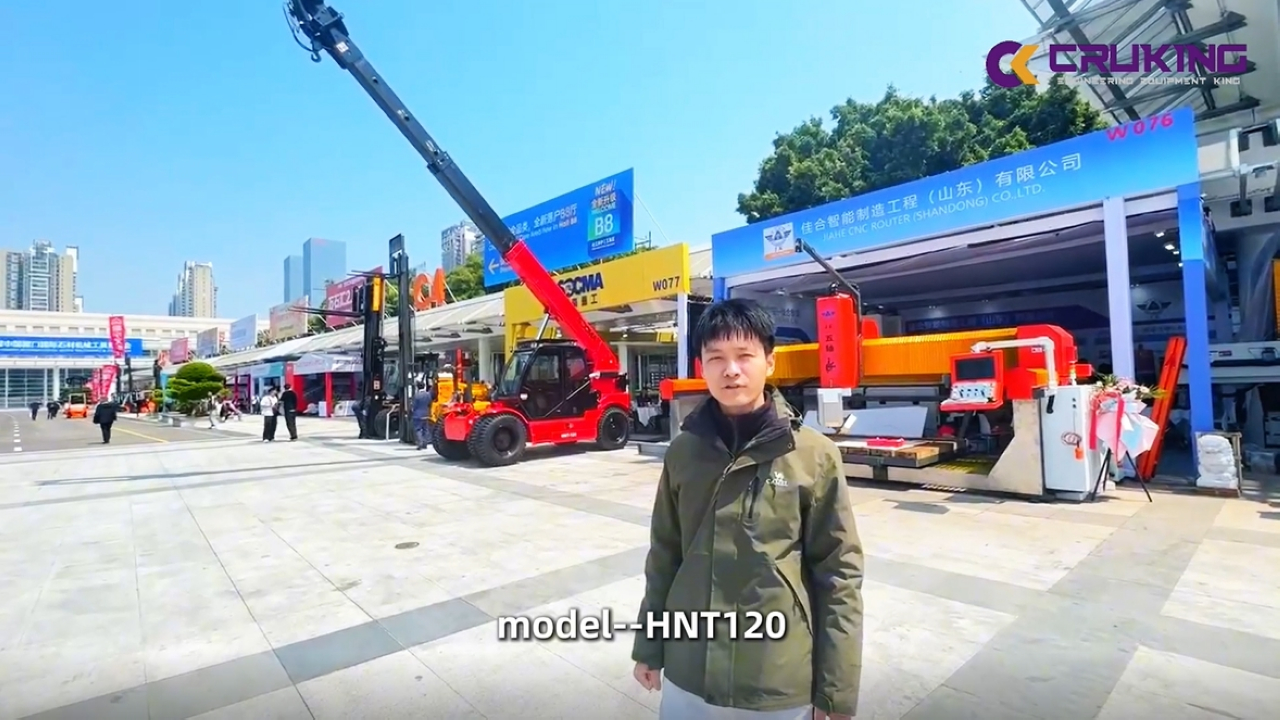
SOCMA HNT120 Hoisting Telehandles are Excellent Choice

HANGCHA CPCD30 Forklift Your Jobsite Partner
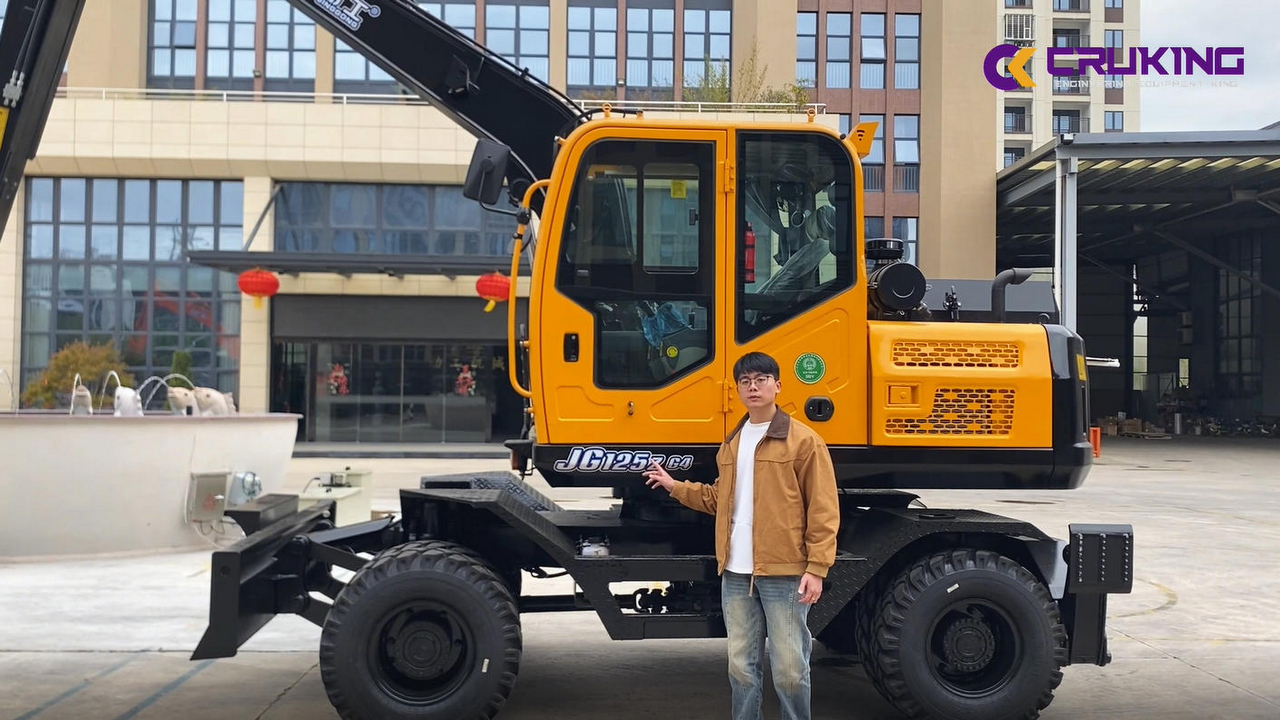
Take a Closer Look at the JINGGONG JG125Z Wheeled Excavator
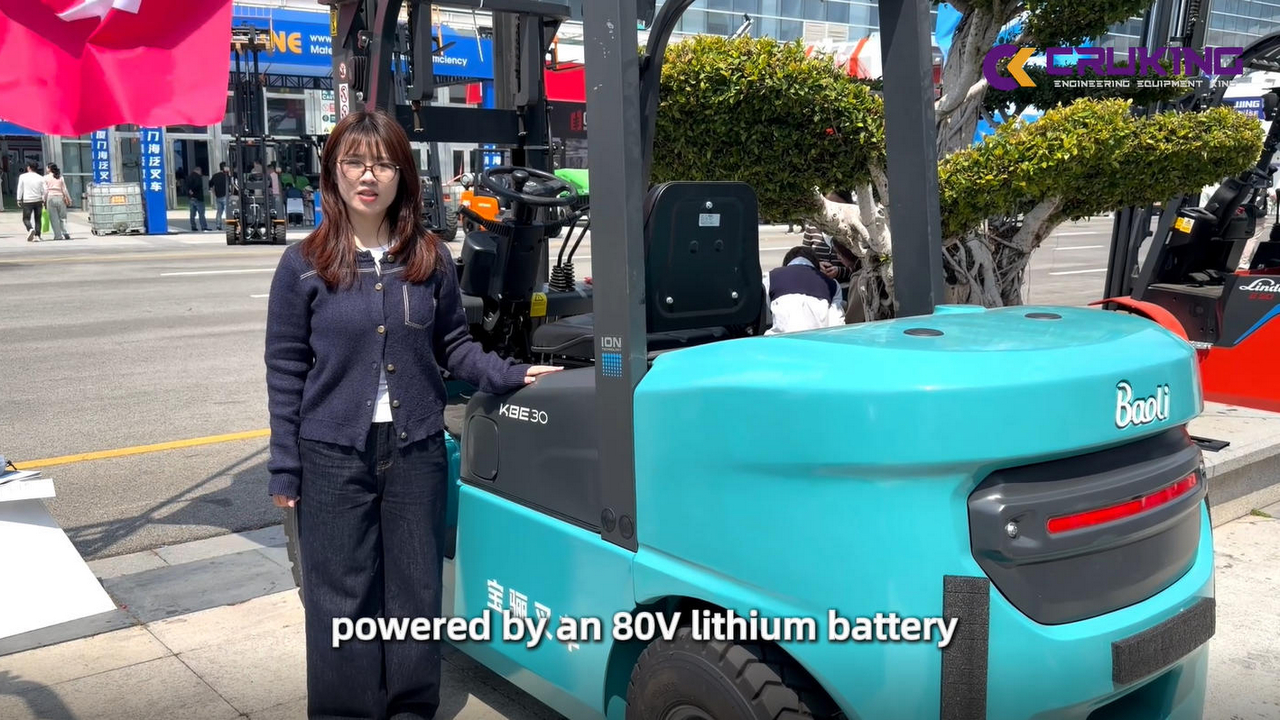
BAOLI KBD30 Electric Forklift: Serious Power in Every Lift
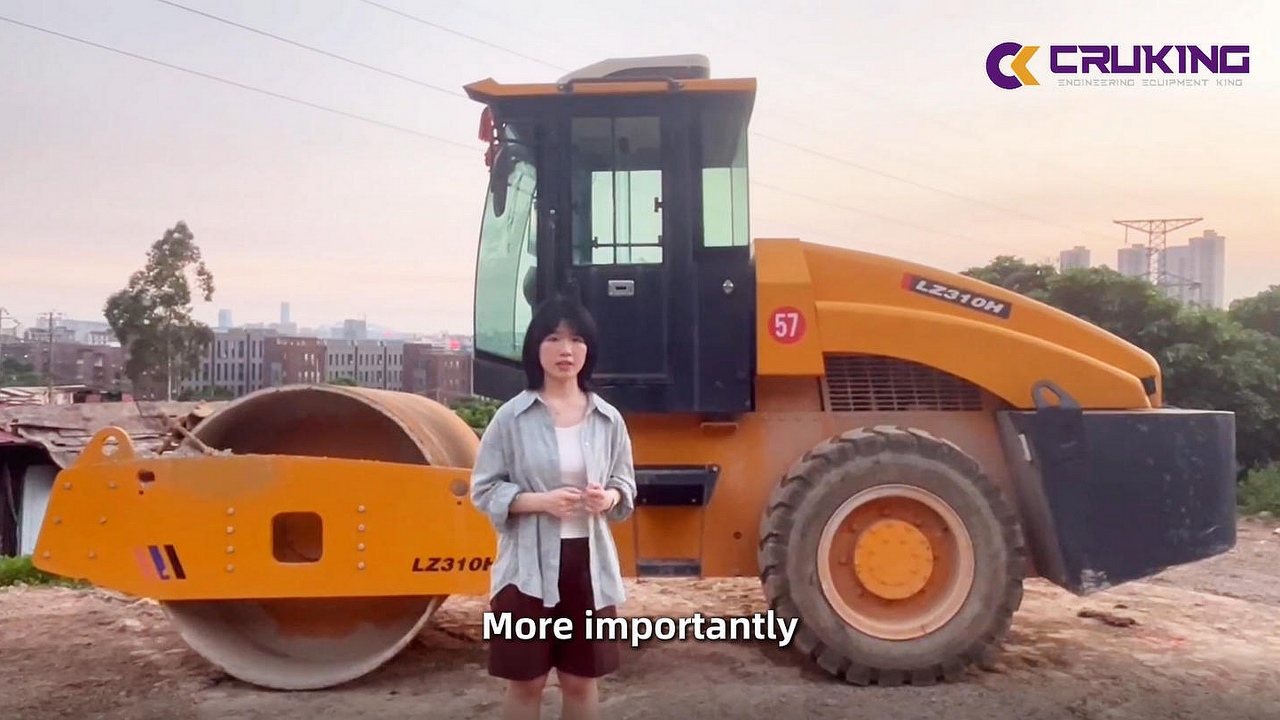
LUOJIAN LZ310H Road Roller Helping Multiply Efficiency

CRUKING Celebrates Christmas and the Year Ahead

LIUGONG’s Unmanned Paving Contributes to Construction
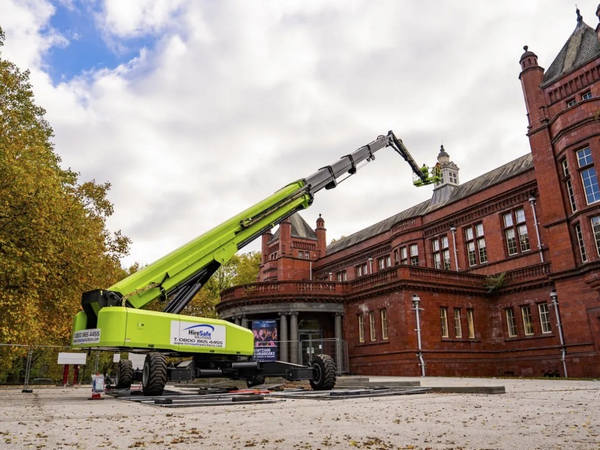
ZOOMLIOM ZT82J: Performance at Ultra-High Altitudes Proven Once Again
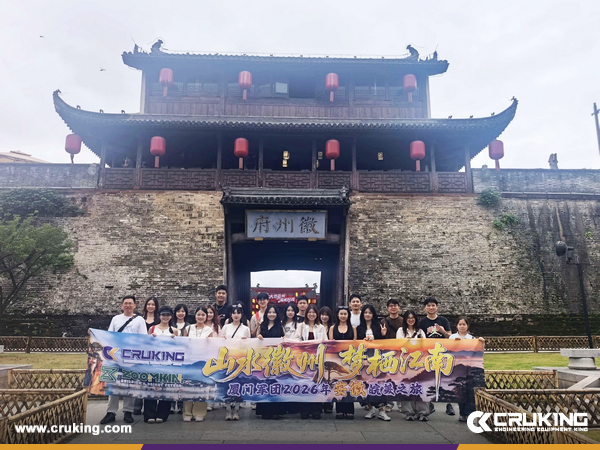
Anhui Bound: CRUKING’s Team Building Trip

Excavator Exports Rose 32.7% in August
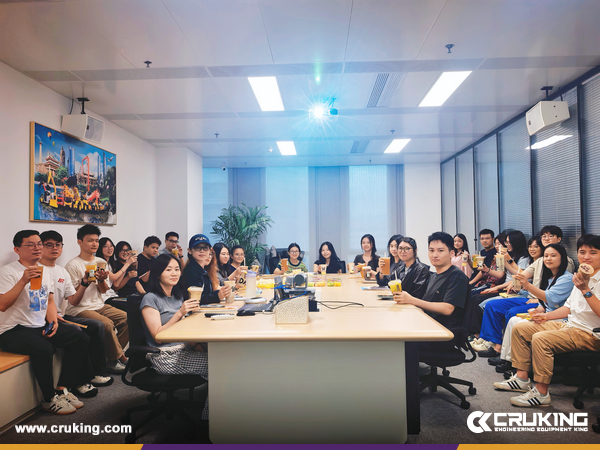
CRUKING Hosts 18th Anniversary Afternoon Tea Event
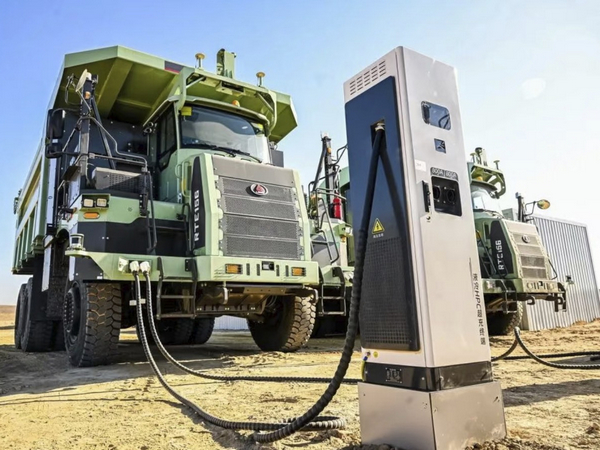
LGMG Develops an Integrated Solar-Storage-Charging Solution

Halloween Special Gathering: CRUKING Shares a Joyful Time
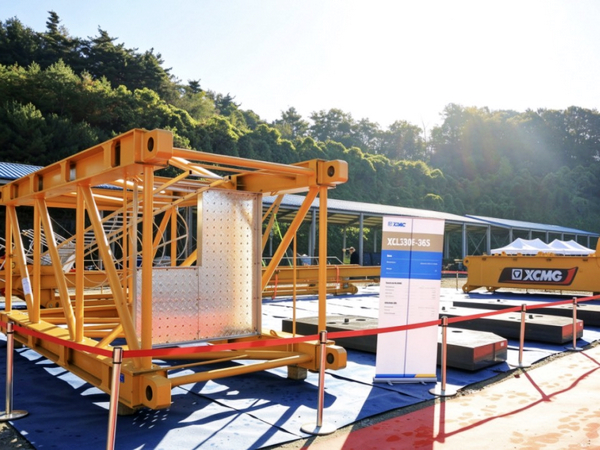
XCMG Successfully Hosts XGL630E-36S Tower Crane Product Launch Event
2021-06-27
2021-09-30
2021-01-13
2021-01-14
2021-12-31
2021-12-14
2021-08-10
2021-01-15

+86-592-6166-299
+86-592-6166-299
+86-157-3713-7170
+86-158-0192-8370
Suite 1602, Qinggong Building, No. 366 Hubin South Road, Siming District, Xiamen City, Fujian Province, China